

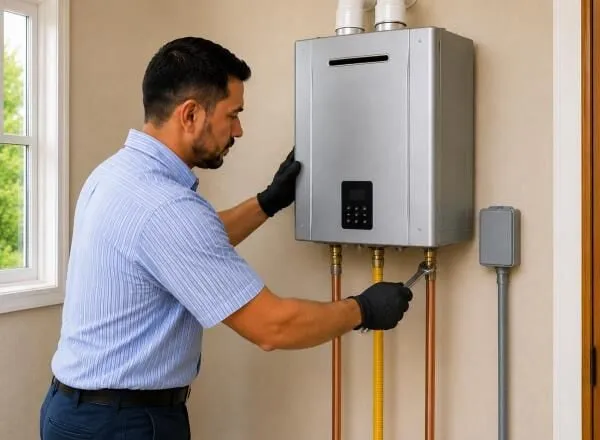
Few household systems are noticed as quickly as a water heater that stops providing dependable hot water. Yet immediate replacement is not always the first or only question. Homeowners looking into Plumbing Bakersfield, CA services should consider household demand, equipment condition, safety, and installation requirements together. A clear assessment can prevent buying a system that is poorly matched to the way a home actually uses water.
Is the Problem Really the Heater?
An isolated faucet with weak hot water may have a fixture or mixing-valve issue rather than a failing tank. Compare multiple outlets and note whether the problem affects volume, temperature, or both.
A technician can distinguish distribution faults from equipment problems. Guessing at a replacement before checking the broader system risks spending money without correcting the original symptom.
What Has Changed in Household Demand?
Additional bathrooms, a growing family, or simultaneous laundry and shower use can expose capacity limits that were less noticeable before. Describe peak demand rather than only average daily consumption.
The appropriate size and recovery capability depend on actual usage. Oversizing can waste resources, while undersizing may recreate the same frustration after a new unit is installed.
Keep a record of the previous heater’s model, service history, and any repeated issues. That information can help distinguish an equipment fault from recurring conditions elsewhere in the plumbing system.
Does the Fuel Type Fit the Property?
Electric, gas, and other configurations have different infrastructure needs. Existing venting, electrical capacity, available space, and local requirements influence which installation options are realistic.
Do not assume switching fuel or system type is a simple appliance swap. A qualified professional should evaluate the supporting connections and any necessary permits or upgrades.
Which Warning Signs Need Faster Attention?
Leakage around the tank, evidence of overheating, unusual odors, or concerns about gas equipment deserve professional evaluation. Do not attempt adjustments involving gas or electrical safety components without training.
Plumbing Companies Bakersfield should explain whether repair is viable and what immediate precautions are appropriate. A leaking tank and a replaceable control component present very different decisions.
What Does the Installation Include?
Ask about removal of old equipment, connections, venting, drain arrangements, expansion provisions where required, and code-related work. The equipment price is only one part of the installed cost.
A written scope makes estimates comparable. It should also clarify who handles disposal, permits when applicable, and any needed modifications to nearby plumbing or utility connections.
During installation planning, consider whether the new appliance will remain accessible for ordinary service. A tight fit can complicate future inspections and repairs, even when the original equipment technically fits in the available space.
How Will Future Maintenance Work?
Accessible shutoffs and service clearances make inspections and eventual repairs easier. Some systems have manufacturer-specific upkeep that should be understood before purchase.
Ask for the model documentation and a practical maintenance schedule. Keeping installation records and warranty information together can simplify future service and help protect the value of the investment.
What About Efficiency Claims?
Efficiency ratings can inform decisions, but household usage, energy prices, installation quality, and equipment characteristics affect real operating costs. A higher efficiency label is not a guarantee of a specific monthly saving.
Compare lifetime considerations alongside purchase price, including service access and expected demand. Any payback projection should use assumptions that fit the individual property.
Compare the actual warranty terms for equipment and installation rather than relying on a sales summary. Coverage may depend on registration, maintenance, or particular components. Keep copies with the household records so a future service visit starts with useful information instead of a search for missing paperwork.
How Much Disruption Is Expected?
Some replacements are straightforward; others require changes to connections, venting, or space arrangements. Plan around periods when the property will have no hot water.
If more than one trade is involved, confirm scheduling and accountability. The best replacement experience is usually the one where the scope, safety steps, and finish conditions are understood beforehand.
Conclusion
Water heater decisions become clearer when the conversation starts with symptoms and actual household needs. Equipment type, installation conditions, and maintenance obligations all matter as much as the purchase price. Slaterplumbing.com includes water heater service and installation among its residential plumbing work. A thorough assessment helps owners choose between repair and replacement without confusing a quick fix with a reliable long-term outcome.