

Key Takeaways
-
Most household pest problems are easier to prevent than correct.
-
Food, moisture, clutter, and small openings can make a home more attractive to pests.
-
Routine inspections and seasonal maintenance can reduce the need for frequent pesticide use.
-
Product labels, safe storage, and accurate pest identification matter when DIY control is necessary.
Why Home Pest Prevention Deserves A Routine
A home pest problem rarely appears without warning. Small conditions such as standing water, food crumbs, moisture, clutter, or gaps around doors and windows can create opportunities for insects and rodents to enter and settle indoors. Making pest prevention part of regular home maintenance helps homeowners identify these conditions before they develop into larger problems.
A simple routine can include checking screens, sealing cracks, repairing leaks, cleaning storage areas, trimming vegetation, and keeping food in sealed containers. Regular inspections also make it easier to notice droppings, nests, insect trails, or other early warning signs. When routine maintenance does not resolve recurring activity, professional pest control services can help identify the source, assess contributing conditions, and recommend appropriate treatment and prevention measures. Consistent attention can help keep the home less attractive to unwanted pests year-round.
Start With A Simple Home Inspection
Walk through the home once a month and pay special attention to the kitchen, bathrooms, basement, attic, garage, crawl space, and areas around doors, windows, plumbing, and appliances. Look in quiet, dark, rarely disturbed spaces, since pests often settle where they can find shelter without interruption.
Look For These Warning Signs
-
Droppings, unusual odors, grease marks, or damaged food packages.
-
Gnaw marks on wood, wires, boxes, or stored belongings.
-
Small holes in screens, vents, siding, foundations, or door seals.
-
Mud tubes near foundation walls, shed skins, webs, nests, or discarded insect wings.
Take photos and note the date, location, and time of each sighting. A simple log can reveal whether activity is increasing, limited to one room, or tied to a particular season. It also provides useful professional information if you need assistance later.
Remove Food And Water Sources
Pests look for dependable meals and moisture. Store dry goods in sealed containers, wipe counters after preparing food, vacuum crumbs from beneath appliances, and empty indoor trash regularly. Rinse food containers before placing them in the recycling bin, since residue in the bin can attract insects and rodents even when the kitchen itself looks clean.
Use This Daily Checklist
-
Seal leftovers and pet food after meals.
-
Clean pet bowls and avoid leaving food out overnight.
-
Repair dripping faucets, leaking pipes, and slow drains.
-
Dry sinks, tubs, and damp counters before bedtime.
-
Keep compost and trash containers closed with tight-fitting lids.
Perfection is not required. The goal is simply to remove easy resources. Moisture under a sink, behind a refrigerator, or near a washing machine can support pest activity even in a generally tidy home.
Block Common Entry Points
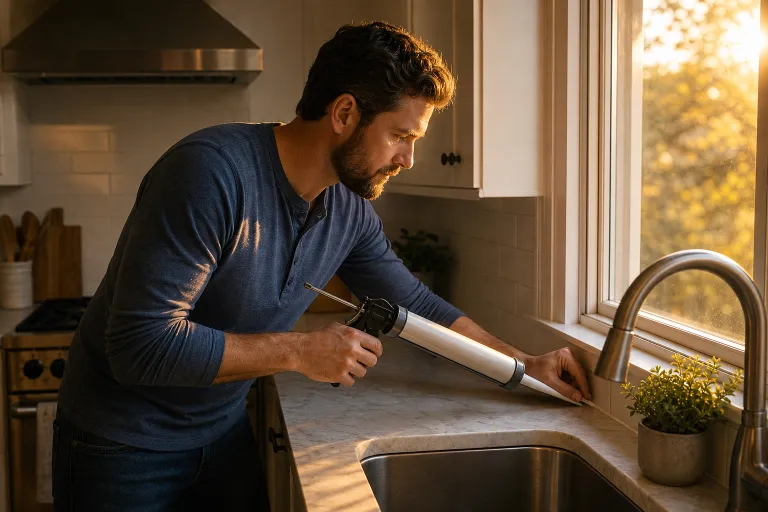
Insects and rodents can enter through openings that are easy to overlook. Install door sweeps, replace worn weather stripping, repair torn window screens, and seal gaps around pipes, cables, utility lines, foundations, and siding. Cover suitable attic and crawl-space vents with durable screening, keep garage doors closed when not in use, and trim plants that touch walls or rooflines.
For example, ants gathering near a kitchen window may be using a small gap around the frame rather than coming from inside the room. Cleaning visible ants may provide short-term relief, but sealing the opening and removing the scent trail addresses the more useful question: how are they getting in?
Keep The Yard From Becoming A Pest Refuge
Outdoor conditions strongly influence what reaches the home. Remove leaf piles, fallen fruit, excess mulch against the foundation, and unused containers that hold water. Clean gutters, direct downspouts away from the house, repair irrigation leaks, and keep grass and weeds trimmed near walls and fences.
Outdoor Prevention Steps
-
Turn over buckets, toys, pots, and tarps that can collect rainwater.
-
Store firewood away from the home and raised off the ground.
-
Move dense shrubs away from windows, doors, and exterior vents.
-
Keep outdoor trash contained and clean up spilled birdseed or pet food.
Standing water deserves extra attention in warm weather. Mosquitoes can breed in surprisingly small amounts of water, including clogged gutters, plant saucers, wheelbarrows, and neglected outdoor equipment.
Use Seasonal Pest Checks
Winter
Inspect attics, garages, basements, and storage areas for rodents seeking warmth. Check boxes and firewood before bringing them inside, and confirm that doors and vents close securely.
Spring
Look for ants, termites, wasps, moisture damage, and foundation cracks. Repair screens before flying insects become more active and correct drainage problems after wet weather.
Summer
Focus on mosquitoes, ticks, pantry pests, and stinging insects. Cover food during outdoor gatherings, remove standing water, and inspect play areas and patios for nests.
Fall
Seal exterior gaps before cooler temperatures drive pests indoors. Clear leaves from drainage areas, inspect rooflines and attic access points, and move firewood before winter.
Handle Mosquitoes And Ticks With Care
Outdoor prevention also supports personal health. Wear protective clothing when working in brushy areas, use repellent as directed, check people and pets for ticks after outdoor activities, and keep pets on a veterinarian-approved prevention plan. The CDC’s guidance on mosquito and tick bite prevention also emphasizes avoiding bites through practical clothing choices, repellents, and yard management practices.
Choose DIY Products Carefully
Traps, baits, repellents, and other products can be useful when chosen for the right pest and used correctly. “Natural” does not automatically mean harmless, especially around children, pets, pollinators, or food gardens.
-
Identify the pest before buying a product.
-
Read the complete label before opening or applying it.
-
Use only the stated amount and never combine products.
-
Keep products in original containers and away from food, children, and pets.
Know When To Ask For Help
Consider professional advice if sightings persist after cleaning and sealing, pests appear in multiple rooms, or the source cannot be found. Repeated rodent activity, suspected termites, bed bugs, hidden nests, large wasp nests, damaged wiring, and pests in walls or ceilings often require more than a simple DIY response. Ask what pest was identified, what treatment is planned, how long people and pets should avoid the area, and which prevention steps should be followed.
Build A Practical Monthly Plan
Once each month, inspect entry points, look for leaks and standing water, review food storage and trash practices, check behind appliances, inspect the attic or garage, trim plants that touch the home, and record any new signs of pests. Small repairs completed early are usually easier, safer, and less disruptive than responding after pests have become established.
Conclusion
A more effective pest-prevention strategy relies on consistent vigilance rather than ongoing treatments. Homeowners can reduce pest attraction by limiting food and water sources, sealing entry points, keeping the yard maintained, inspecting for seasonal hazards, and applying products cautiously, thereby making their property less appealing to pests year-round.