

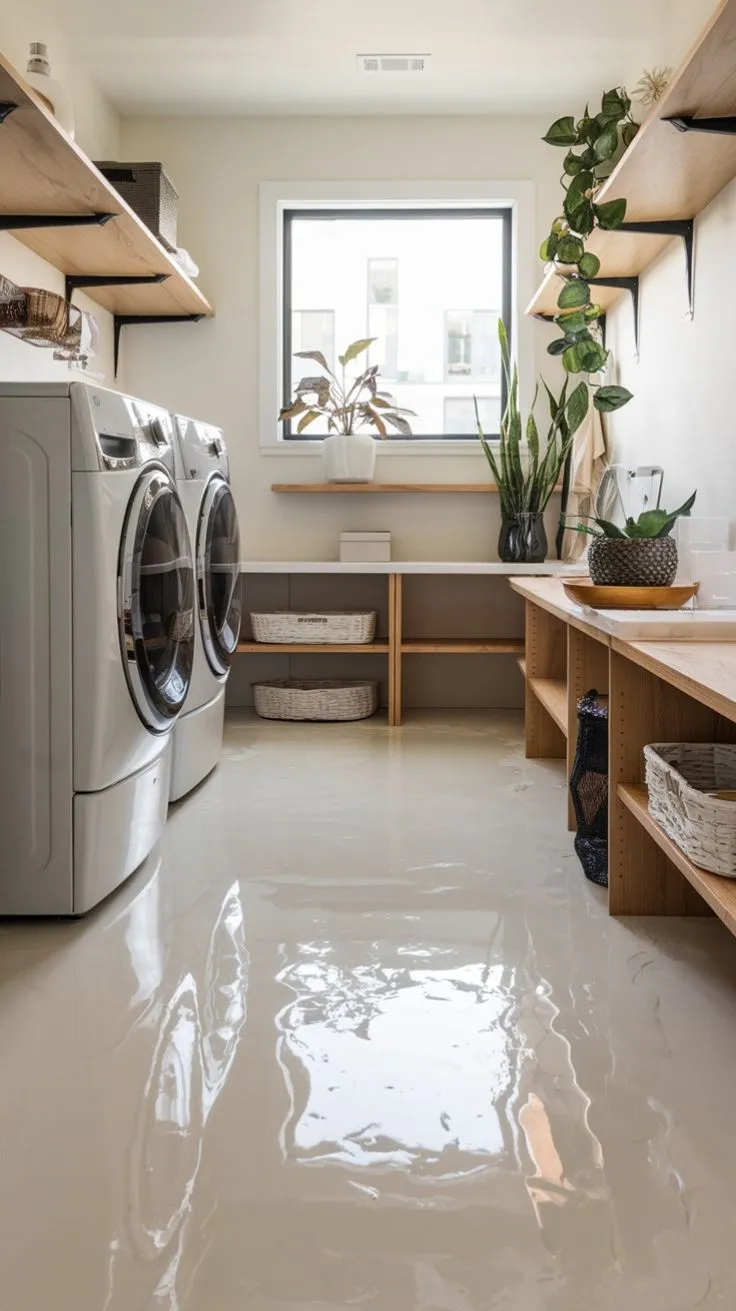
The laundry is often one of the hardest-working rooms in an Australian home, yet it rarely receives the design attention given to kitchens or bathrooms. Wet clothes, cleaning products, pet bedding and constant movement place different demands on its surfaces. Choosing appropriate epoxy flooring can be one consideration when renovating a laundry built over a suitable concrete slab. However, creating a practical room involves more than selecting a hard-wearing finish. Storage, drainage, ventilation and comfortable working arrangements all contribute to a space that functions well throughout the week.
Understand How the Laundry Operates
Before planning a renovation, observe how the room is used. Some households wash several loads daily, while others share the space with household storage, pet care or cleaning equipment.
Make a note of where dirty washing collects, where clean clothing is folded and how frequently people access cupboards. These observations can reveal awkward movements that a new layout should address. A practical laundry should reduce unnecessary carrying and make regular tasks easier to complete.
Make Wet Areas a Priority
A laundry floor may encounter splashes from sinks, wet footwear and occasional appliance leaks. Materials should therefore be selected with moisture exposure and cleaning requirements in mind.
A protective surface can make everyday spills easier to manage, but no decorative coating replaces proper waterproofing or drainage where required. Homeowners should investigate existing leaks and confirm applicable building requirements before choosing flooring. Water should never be allowed to collect unnoticed beneath appliances or cabinetry.
Compare Suitable Floor Finishes
Tiles, vinyl and resin coatings provide different advantages. Tiles allow varied design choices but introduce grout lines, while certain vinyl products offer a softer surface underfoot.
An epoxy floor coating can create a relatively continuous finish over correctly prepared concrete. Its suitability depends on the slab, product specifications and expected conditions. Surface traction deserves particular attention because washing areas may become wet. Homeowners should request information about the complete coating system rather than relying solely on appearance.
Organise Storage Around Daily Tasks
Laundry storage works best when regularly used products remain accessible without overcrowding the room. Wall cabinets, adjustable shelving and designated baskets can help separate cleaning supplies from clothing.
When planning the layout, consider:
-
Shelves for detergents and household supplies.
-
Separate containers for clean and dirty washing.
-
Accessible space for ironing equipment.
-
Clear access to appliance connections.
-
Suitable storage for pet-care items.
Keep chemical products in their original containers and away from children. Avoid placing heavy belongings on shelving without confirming its load capacity.
Improve Ventilation and Lighting
Moisture from washing and drying activities can contribute to condensation, particularly in enclosed rooms. Suitable ventilation helps manage humidity and makes the laundry more comfortable to use.
Natural light is helpful where available, but good artificial lighting also matters. Bright fixtures around benches make sorting clothes and noticing stains easier. When choosing a glossy floor, consider whether reflections from overhead lights could become distracting.
Plan Around Appliances and Access
Washing machines and dryers need adequate clearance for operation, maintenance and ventilation. Moving large appliances after new flooring has been installed can damage an otherwise attractive finish.
Discuss the renovation sequence before work begins. Plumbing and electrical changes should be completed by appropriately qualified tradespeople. Flooring contractors may then prepare the concrete and install the selected system before permanent cabinets and appliances return.
Understand Surface Preparation Requirements
Concrete beneath an older laundry floor may contain adhesive residue, cracks or previous coatings. These conditions can affect adhesion when a resin finish is proposed.
Mechanical grinding and appropriate repairs may be necessary. Moisture testing can also be important, particularly where the slab has experienced previous water problems. Contractors should explain which preparation stages are included and how long the room must remain unused.
Create a Manageable Cleaning Routine
A laundry should be straightforward to maintain even during busy weeks. Regular sweeping removes loose particles, while compatible damp cleaning can address detergent residue and everyday spills.
Avoid abrasive tools or aggressive chemicals unless approved for the installed surface. Check around appliances periodically for moisture and damage. An effective maintenance routine protects the room without adding unnecessary work.
Conclusion
A successful laundry renovation should make household tasks easier while addressing moisture, storage and cleaning requirements. Flooring contributes to that goal, but appropriate drainage, ventilation and appliance access remain equally important. Homeowners should assess existing concrete and compare suitable materials before beginning work. For residents exploring residential floor finishing options across Melbourne, johnsonsflooring.com.au provides information about epoxy systems and surface preparation services. With thoughtful planning, a laundry can become an organised, attractive and practical room that supports everyday household activities without demanding complicated maintenance.