

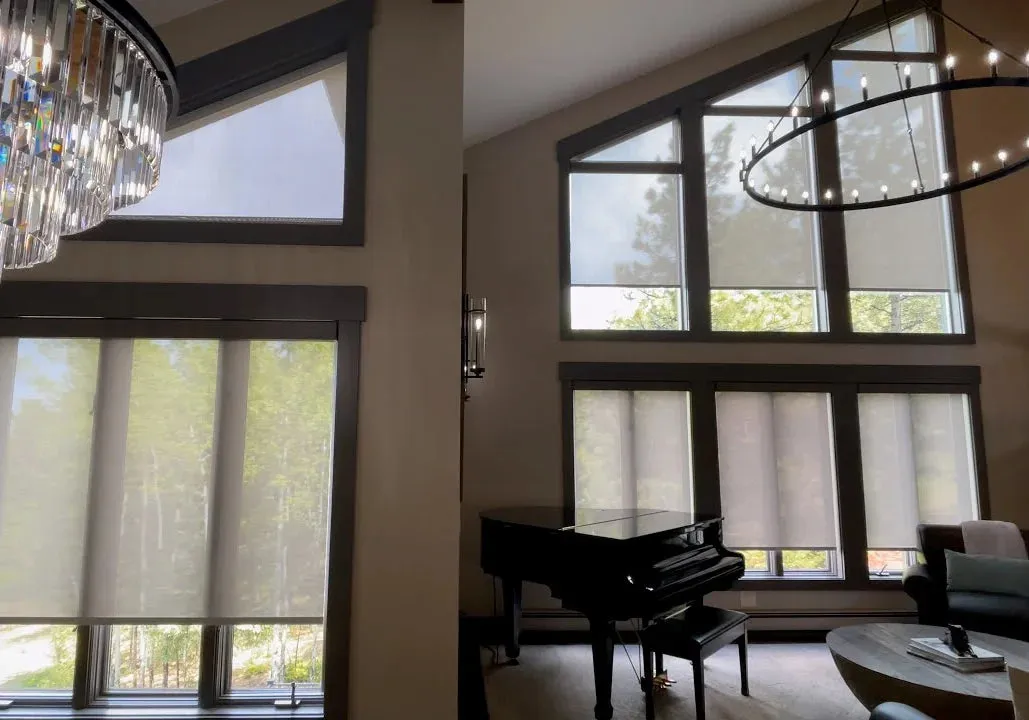
Motorized window treatments can make a home more convenient while complementing its interior design. However, successful installation requires more than selecting attractive fabrics and automated controls. Window dimensions, mounting conditions, electrical access, and everyday routines influence how well the finished system performs. Homeowners researching blinds installation NJ services should understand these factors before ordering equipment. Careful preparation helps prevent measurement errors, installation complications, and unnecessary expenses while creating window treatments that remain practical for years.
Understand the Purpose of Each Window Treatment
Different rooms require different levels of privacy, light control, and convenience. A bedroom may need substantial nighttime privacy, while a living room might benefit from maintaining natural daylight. Before selecting materials, homeowners should identify the primary purpose of each window treatment. Consider how frequently windows are used, whether furniture restricts access, and which household members will operate the controls.
This assessment helps determine whether motorized shades, blinds, or other suitable coverings offer the most practical solution. It also prevents purchasing expensive features that provide little everyday benefit.
Coordinate Automation With Existing Technology
Motorized window treatments can operate independently or become part of a broader home automation arrangement, depending on product compatibility. For example, a smart home cinema system may incorporate compatible window shades into programmed entertainment activities. Selecting a movie scene could adjust supported lighting and shades alongside other connected equipment.
However, homeowners should confirm compatibility before purchasing devices from different manufacturers. Control systems may require dedicated processors, wireless interfaces, or additional programming. Discussing these requirements early helps prevent situations where attractive window coverings are installed but cannot communicate with the intended automation platform.
Take Accurate Measurements Before Ordering
Measurement errors can affect appearance, operation, and light coverage. Windows that appear identical may have small dimensional differences, especially in older properties. Inside-mounted treatments require sufficient frame depth and suitable clearance. Outside-mounted designs need adequate surrounding space for brackets and fabric movement.
Homeowners should also inspect handles, decorative trim, and nearby furniture that might obstruct operation. Professional measurements can reduce the risk of ordering incorrectly sized components. Final dimensions should account for the manufacturer’s installation specifications rather than relying on approximate measurements taken during initial planning.
Evaluate Power and Wiring Requirements
Power arrangements are an important installation decision because motorized window treatments use different operating systems. Some models operate with rechargeable or replaceable batteries, while others require a compatible wired power supply. Each arrangement has practical advantages and maintenance considerations.
Battery-powered options can reduce visible wiring requirements but require periodic charging or replacement. Wired systems may be preferable during renovation projects where electrical access can be planned. Electrical modifications should be completed by appropriately qualified professionals.
Selecting the power arrangement before installation helps avoid exposed cables, inaccessible connections, and unnecessary changes to finished walls.
Choose Materials That Support Everyday Use
Fabric selection affects privacy, appearance, cleaning requirements, and the amount of daylight entering a room. Sheer materials may preserve a degree of outdoor visibility while softening incoming light. More opaque fabrics provide greater privacy and stronger light reduction.
Homeowners should also consider moisture exposure, particularly in kitchens and bathrooms. Materials suitable for dry living spaces may not perform equally well in humid conditions.
When comparing products, evaluate:
-
Fabric opacity and privacy requirements.
-
Cleaning and maintenance instructions.
-
Resistance to expected environmental conditions.
-
Available colors and interior design compatibility.
-
Manufacturer recommendations for window dimensions.
Choosing appropriate materials improves both appearance and long-term practicality.
Make Controls Accessible to Everyone
An automated window treatment should remain convenient even when household members have different preferences or technical experience. Wall controls, handheld remotes, and compatible mobile applications may offer alternative operating methods. Availability depends on the selected system. Frequently used functions should be easy to understand without requiring complicated instructions.
Homeowners may also want to establish consistent controls across multiple rooms. This can reduce confusion when family members move between spaces. Manual override availability, battery maintenance, and operation during connectivity interruptions should be discussed with the installer. Convenience comes from predictable behavior rather than the largest possible collection of automation features.
Prepare for Maintenance and Future Adjustments
Motorized window treatments contain moving components that require appropriate care. Fabric cleaning, battery maintenance, and occasional adjustment may be necessary depending on the selected products. Homeowners should request operating instructions and understand the manufacturer’s warranty conditions.
Installation records and product information can simplify future servicing. Accessible controls and properly documented equipment also make changes easier when rooms are redecorated. Before completing the project, test each window treatment through its full operating range. Confirm that the fabric moves smoothly, nearby objects remain clear, and programmed positions work consistently.
Conclusion
Successful motorized window treatments depend on decisions made before installation begins. Accurate measurements, suitable materials, dependable power arrangements, and straightforward controls all contribute to lasting convenience. The installation should also accommodate future servicing without disrupting the room’s appearance. These practical considerations matter more than adding automation features that residents rarely use. With experience in integrated home technology, Epic Systems can help homeowners evaluate appropriate shading solutions. A carefully planned installation ultimately makes everyday routines simpler while preserving the character of the interior space.