

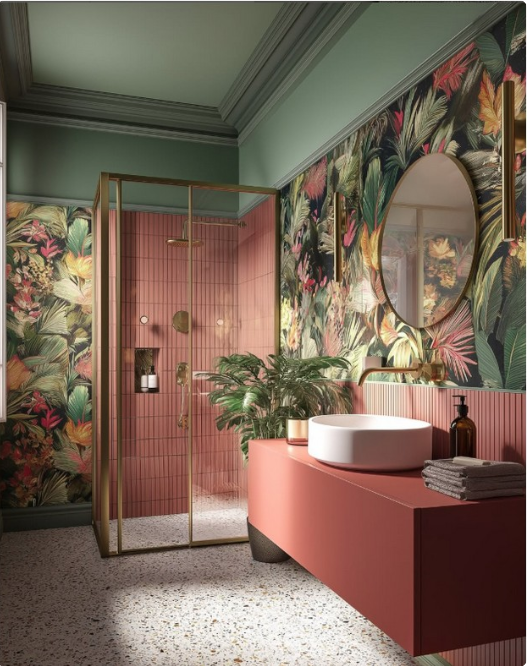
Residential Interior Design Toronto is about more than choosing furniture and paint colors, it’s about creating personalized spaces that reflect your lifestyle, enhance comfort, and maximize functionality. As one of Canada’s most diverse and fast-growing cities, Toronto features a wide range of housing styles, from modern downtown condos to classic Victorian homes and luxury suburban properties. Each space presents unique design opportunities and challenges.
Whether you’re renovating a historic home, upgrading a condominium, or building a custom property, professional residential interior design helps transform your vision into reality while ensuring practicality, style, and long-term value.
Understanding Residential Interior Design in Toronto
Toronto’s housing landscape is incredibly diverse. In neighborhoods like The Annex and Cabbagetown, you’ll find historic homes with detailed architectural features. Downtown areas feature sleek high-rise condominiums with limited square footage that require smart space planning. Suburban communities offer larger family homes with open-concept layouts.
Residential interior design in Toronto must adapt to:
- Urban condo living with compact layouts
- Heritage homes requiring thoughtful restoration
- Modern custom builds emphasizing minimalism
- Family homes needing functional storage solutions
- Luxury residences demanding premium finishes
Designers must balance aesthetics with practicality, especially in a city where space and real estate values are significant considerations.
Why Hire a Residential Interior Designer in Toronto?
Working with a professional interior designer offers numerous benefits, particularly in a competitive and style-conscious city like Toronto.
1. Expert Space Planning
In many Toronto condos, square footage is limited. Designers optimize layouts to maximize usable space without sacrificing comfort.
2. Access to Trusted Vendors and Trades
Experienced designers collaborate with reliable contractors, millworkers, electricians, and suppliers, ensuring high-quality results.
3. Budget Management
A designer helps allocate your budget efficiently, prioritizing investments that deliver the most impact and long-term value.
4. Cohesive Design Vision
Rather than mixing unrelated styles, a designer creates a unified look that flows seamlessly throughout your home.
5. Increased Property Value
Well-designed interiors can significantly enhance resale value in Toronto’s competitive housing market.
Popular Residential Interior Design Styles in Toronto
Toronto homeowners embrace a variety of design aesthetics. Some of the most popular styles include:
Modern Minimalist
Clean lines, neutral color palettes, and functional furniture dominate this style. It’s particularly popular in downtown condominiums.
Contemporary Luxury
This style combines sleek finishes, statement lighting, custom cabinetry, and premium materials like marble and hardwood.
Transitional Design
Blending traditional and modern elements, transitional design is common in family homes across midtown and suburban Toronto.
Scandinavian Influence
Light wood tones, soft textures, and natural lighting define this cozy yet minimalist approach.
Industrial Chic
Exposed brick, metal accents, and open layouts reflect Toronto’s urban character, especially in loft conversions.
Key Elements of Residential Interior Design
Successful residential interior design in Toronto focuses on several critical components.
Space Optimization
Urban living often requires creative solutions. Built-in storage, multifunctional furniture, and custom millwork help maximize space.
Lighting Design
Natural light varies depending on building orientation and neighborhood density. Designers incorporate layered lighting—ambient, task, and accent—to create warmth and functionality.
Material Selection
Durable materials suited to Toronto’s climate are essential. Hardwood flooring, quartz countertops, and high-quality textiles ensure longevity.
Colour Palette
Neutral tones remain popular, but accent colors are often used to add personality and depth.
Custom Cabinetry and Storage
Storage is a priority in Toronto homes. Custom closets, kitchen cabinetry, and built-ins help reduce clutter.
Designing Condominiums in Toronto
Condo living is a major part of Toronto’s residential market. Designing a condo requires thoughtful planning due to limited square footage and building regulations.
Key considerations include:
- Open-concept layouts
- Compact kitchens with smart storage
- Multipurpose furniture
- Space-saving wall units
- Neutral tones to create a sense of openness
Designers also ensure compliance with condominium renovation rules and building guidelines.
Designing Family Homes in Toronto
For larger homes in neighborhoods like North York, Etobicoke, or Scarborough, residential interior design focuses on comfort, durability, and functionality.
Common priorities include:
- Open-concept kitchens and living areas
- Functional mudrooms
- Organized children’s spaces
- Basement renovations
- Home offices
With remote work becoming more common, dedicated and well-designed workspaces have become essential.
Sustainable and Eco-Friendly Design
Sustainability is increasingly important in Toronto residential design. Homeowners are seeking environmentally conscious solutions that reduce energy consumption and environmental impact.
Sustainable design elements include:
- Energy-efficient lighting
- Low-VOC paints
- Sustainable wood materials
- Recycled and natural fabrics
- Smart home automation
Eco-friendly design not only benefits the environment but also improves indoor air quality and long-term cost savings.
The Residential Interior Design Process
Understanding the design process helps homeowners feel confident and informed.
Initial Consultation
The designer discusses your goals, budget, timeline, and lifestyle needs.
Concept Development
Mood boards, layout plans, and material samples are presented to establish the design direction.
Detailed Planning
Finalized floor plans, custom cabinetry drawings, lighting plans, and material selections are prepared.
Procurement
Furniture, fixtures, and materials are ordered from trusted suppliers.
Project Management
The designer coordinates contractors, monitors timelines, and ensures quality control.
Final Styling
Furniture placement, décor selection, and finishing touches complete the space.
Budget Considerations for Toronto Interior Design
Costs vary depending on project size and scope. Factors affecting pricing include:
- Square footage
- Level of customization
- Material quality
- Structural changes
- Designer fees
Toronto’s real estate market often justifies investment in high-quality finishes and professional design, as well-executed interiors can increase property appeal and resale value.
Renovation Trends in Toronto Homes
Some current trends in Toronto residential interior design include:
- Open-concept living spaces
- Large kitchen islands
- Spa-inspired bathrooms
- Statement lighting fixtures
- Textured wall treatments
- Integrated smart home technology
Homeowners are prioritizing comfort, functionality, and timeless aesthetics over short-lived trends.
Choosing the Right Residential Interior Designer in Toronto
When selecting a designer, consider:
- Portfolio and style compatibility
- Experience with similar property types
- Client testimonials
- Transparent pricing structure
- Clear communication process
A successful designer-client relationship is built on trust, collaboration, and shared vision.
The Value of Professional Residential Interior Design
Investing in residential interior design in Toronto enhances more than just visual appeal. It improves daily living, supports organization, increases functionality, and boosts property value.
A thoughtfully designed home provides:
- Greater comfort
- Improved workflow
- Efficient storage
- Enhanced lighting
- A cohesive and calming environment
Whether you live in a compact condo or a spacious family home, professional interior design transforms your space into one that reflects your personality and supports your lifestyle.
Conclusion
Residential Interior Design Toronto combines creativity, functionality, and strategic planning to create beautiful and practical living spaces. From urban condominiums to luxury custom homes, professional design enhances comfort, maximizes space, and increases property value.
In a dynamic and design-forward city like Toronto, investing in expert interior design ensures your home stands out while meeting your unique needs. With thoughtful planning, quality materials, and a clear design vision, your living space can become a true reflection of your lifestyle and aspirations.