

Canadian garages experience changing conditions throughout the year. Snow, rain, road grit and seasonal temperature differences can influence the appearance and maintenance needs of untreated concrete. Installing a suitable garage floor coating can help protect the floor while creating a cleaner and more finished space. However, choosing a decorative system involves considering surface preparation, moisture and the way the garage is used. Homeowners who understand these factors can make more informed decisions about both appearance and long-term performance.
Understand Seasonal Garage Floor Exposure
Garage floors face different challenges from ordinary interior flooring. During winter, vehicles can carry snow, slush and road salt into the space. Warmer months introduce dust, rainwater and occasional outdoor debris. These conditions can leave untreated concrete dirty and difficult to maintain. Repeated wetting may also highlight existing cracks or drainage problems. Homeowners should examine where moisture accumulates before selecting a finish. A coating can improve surface protection, but it cannot automatically correct poor drainage or structural defects within the original slab.
Explore Decorative Flake Design Options
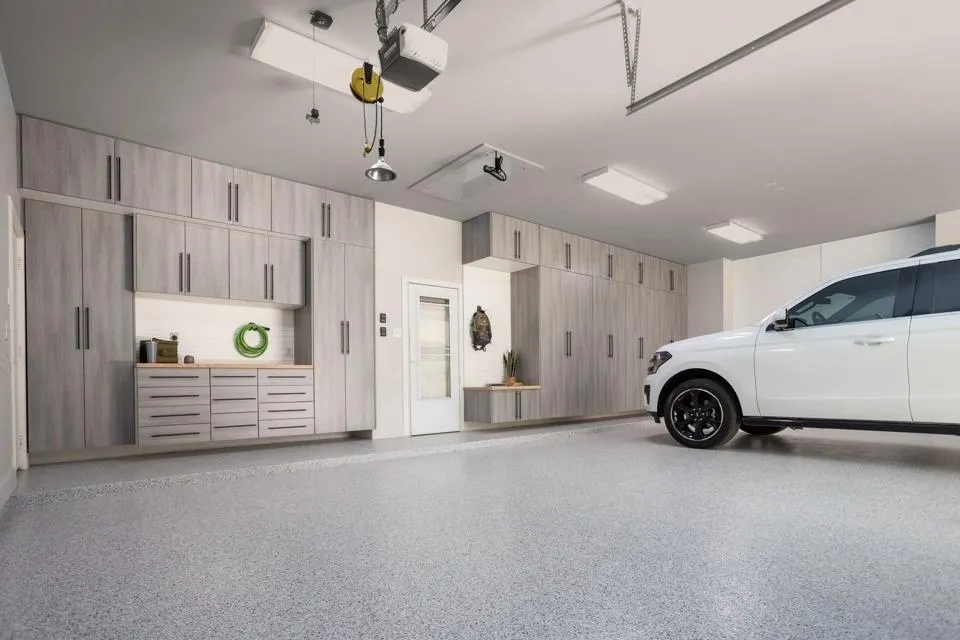
Decorative flakes can transform an ordinary garage into a more coordinated space while making minor surface marks less noticeable. Homeowners considering flake epoxy flooring can compare colour blends that complement cabinetry, walls and storage systems. Flakes are incorporated into compatible resin coating systems and typically protected with a suitable topcoat. The resulting appearance depends on flake size, broadcast density and selected colours. Reviewing samples helps establish realistic expectations. Design decisions should also account for surface texture and cleaning needs rather than appearance alone.
Assess Concrete Before Selecting Colours
A decorative finish cannot compensate for a poorly prepared substrate. Existing coatings, oil residues, cracks and moisture conditions may affect adhesion. Contractors should inspect the slab and determine whether grinding or repairs are required. Concrete that appears dry on the surface may still contain moisture capable of interfering with certain coatings. Product-specific testing and preparation requirements should guide installation decisions. Addressing these issues before choosing decorative details helps homeowners avoid unnecessary disappointment. The floor’s condition ultimately determines which coating systems can be installed successfully.
Consider Traction During Wet Weather
Water carried into garages can create slippery conditions on smooth surfaces. Decorative flakes and compatible traction additives may improve grip, although the level of texture must suit the intended use. Excessively rough surfaces can make cleaning more difficult, particularly when removing fine grit or winter residue. Homeowners should consider footwear, floor slope and the frequency of wet vehicle entry. A sensible finish balances traction with cleanability. No surface treatment eliminates slip risks, so routine spill removal and drainage maintenance remain important after installation.
Choose a Finish That Supports Storage
Many garages serve as workshops, storage areas and household equipment spaces. Shelving, workbenches and frequently moved items can place different demands on the finished floor. Homeowners should decide how the space will be organized before installation begins. Heavy equipment may require suitable protective feet, while furniture movement can create scratches if carried out carelessly. Wall-mounted storage can reduce floor clutter and simplify cleaning. Coordinating organization with floor design helps create a more useful space without treating the decorative coating as a substitute for practical planning.
Prepare for Installation and Curing
A garage coating project generally requires the area to be cleared before surface preparation begins. Homeowners should arrange alternative parking and remove belongings that could interfere with the work. Installation duration depends on the selected coating system, weather conditions and the condition of the concrete. Some residential projects can be completed quickly, but return-to-service times must follow the manufacturer’s requirements. Walking access and vehicle access may have different restrictions. Confirming the schedule before installation helps households avoid exposing fresh coatings to loads prematurely.
Maintain the Surface Through Changing Seasons
Routine cleaning is important throughout the year, particularly when vehicles introduce road salt and abrasive debris. Sweeping and using coating-compatible cleaning products can help maintain appearance. Spills should be removed promptly, and cleaning methods should avoid unnecessarily aggressive chemicals. Homeowners can also inspect high-use areas for scratches, chips or signs of wear. Protective pads beneath storage equipment may reduce damage. A simple maintenance routine helps preserve the decorative finish without requiring complicated procedures, provided the installed system remains suitable for normal garage use.
Conclusion
A successful garage upgrade combines surface protection, suitable traction and a finish that complements the home’s everyday needs. Canadian seasonal conditions make proper concrete assessment and thoughtful maintenance particularly important. Homeowners across Ontario can review residential coating options through quickfxepoxy.ca, including decorative systems designed for garage applications. Comparing physical samples and discussing slab conditions with an installer can help establish the most appropriate approach. The result can be a more organized and attractive space that remains practical across changing seasons.