

The Foundation of Home Comfort: HVAC System Maintenance
Owning a home is a source of pride and a major investment. With it comes the crucial responsibility of maintaining its vital systems. Neglecting this upkeep can lead to costly repairs, wasted energy, and serious safety risks.
We understand these challenges. That’s why we’ve created this guide. It focuses on two critical areas: your home’s heating, ventilation, and air conditioning (HVAC) system and its electrical infrastructure.
We will explore why regular care for these systems is essential for your family’s comfort and safety. It also protects your property’s value. For example, ensuring your HVAC system runs efficiently is key to comfort and energy savings. This is where quality HVAC maintenance plays a crucial role. It helps extend the life of your unit and keeps your home comfortable year-round.
Join us as we share practical tips and expert insights. Our goal is to empower you to maintain a safe, efficient, and healthy home.
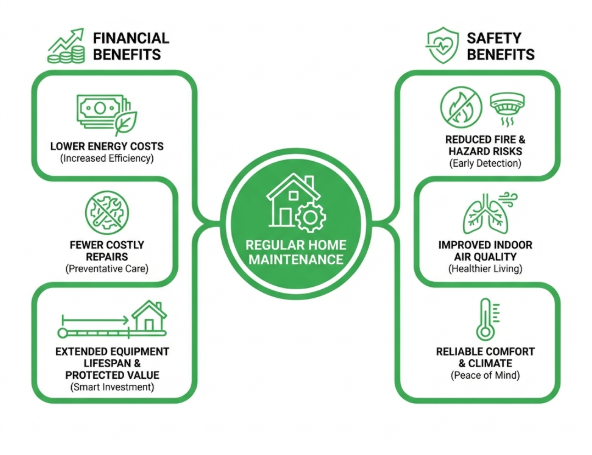
Your home’s HVAC system is the heart of its climate control, responsible for maintaining comfortable temperatures year-round. Neglecting this complex system can lead to reduced efficiency, higher energy bills, and costly breakdowns, often at the most inconvenient times. Regular maintenance, however, offers a multitude of benefits: it ensures optimal energy efficiency, lowers your utility bills, significantly improves indoor air quality, extends the lifespan of your equipment, and prevents unexpected, expensive repairs. Proactive seasonal tune-ups are not just about comfort; they’re about protecting your investment and ensuring a healthy living environment.
Key DIY HVAC Maintenance Tasks
While some aspects of HVAC care require professional expertise, homeowners can perform several essential tasks to keep their systems running smoothly and efficiently.
Changing Air Filters: This is arguably the most critical and simplest DIY task. Dirty air filters restrict airflow, forcing your HVAC system to work harder and increasing energy consumption and wear and tear. We recommend changing standard 1-inch filters every one to three months. Homes with pets, allergies, or higher dust levels may require more frequent changes. Regularly checking your filter for dirt buildup is a good habit. A clean filter improves air quality and helps your system operate at peak efficiency.
Cleaning Vents and Registers: Over time, dust and debris can accumulate on your indoor vents and registers, impeding proper airflow. Regularly vacuuming or wiping these clean ensures that conditioned air can circulate freely throughout your home, contributing to even temperatures and system efficiency.
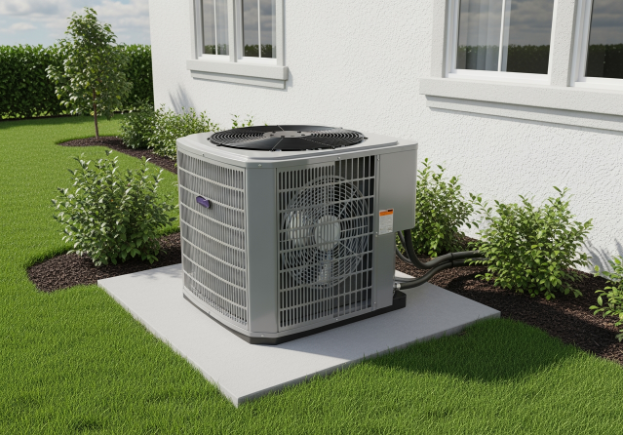
Clearing Debris from Outdoor Units: Your outdoor air conditioning unit or heat pump needs a clear space to function effectively. Weeds, grass clippings, leaves, and other debris can obstruct airflow around the condenser coils, reducing efficiency and potentially damaging the unit. Periodically clear a two-foot radius around the unit to ensure proper air circulation.
Checking Thermostat Settings: Ensure your thermostat is set correctly for the season and consider upgrading to a programmable or smart thermostat. These devices allow you to set schedules that optimize energy use, adjusting temperatures when you’re away or asleep. Regularly testing your thermostat to ensure it accurately reads and controls the temperature is also important.
For those looking to ensure their HVAC system is performing at its best or considering comprehensive service, exploring professional HVAC tune-up options can provide invaluable peace of mind and long-term savings.
When to Call an HVAC Professional
While DIY tasks are important, certain aspects of HVAC maintenance demand the expertise of a certified professional. Annual inspections are crucial for both heating and cooling systems. During these visits, technicians perform a thorough check, which typically includes:
- Refrigerant Level Checks: Ensuring proper refrigerant levels is vital for your AC’s cooling capacity and efficiency. Low levels can indicate a leak.
- Blower Component Adjustments: Proper calibration of the blower ensures efficient air delivery throughout your home.
- Condensate Drain Cleaning: Air conditioners produce condensation, which drains away. This drain can become clogged with sludge and algae, leading to water leaks and potential damage. Professionals clear these blockages.
- Electrical Connection Inspections: Technicians inspect and tighten all electrical connections, which can loosen over time and pose safety hazards or lead to system malfunctions.
- Lubrication of Moving Parts: Many HVAC components have moving parts that require lubrication to prevent friction, reduce wear, and avoid overheating.
- Fuel Line Checks: For gas furnaces, professionals inspect fuel lines for leaks and ensure safe operation.
You should also call a professional if you notice unusual noises (such as grinding, squealing, or banging), strange smells (such as burning or moldy odors), or if your system isn’t heating or cooling properly. These are often signs of underlying issues that, if neglected, can lead to more significant and expensive repairs. A modest investment in preventative inspections today can save you substantial headaches and expenses in the future.
Powering Your Home Safely: A Guide to Electrical Home Systems Maintenance
Your home’s electrical system is a complex network that powers your daily life, from lighting to appliances. However, it also carries inherent risks if not properly maintained. Neglecting electrical system maintenance can lead to serious consequences, including fire hazards, the risk of electrical shocks, and inconvenient power outages. A well-maintained electrical system not only reduces these dangers but also helps protect your valuable appliances from power fluctuations and ensures a reliable power supply. For older homes, particularly, understanding and addressing potential wiring concerns is paramount for safety.
Essential Electrical Home Systems Maintenance Checks
Regular, simple checks can go a long way in ensuring the safety and reliability of your home’s electrical system.
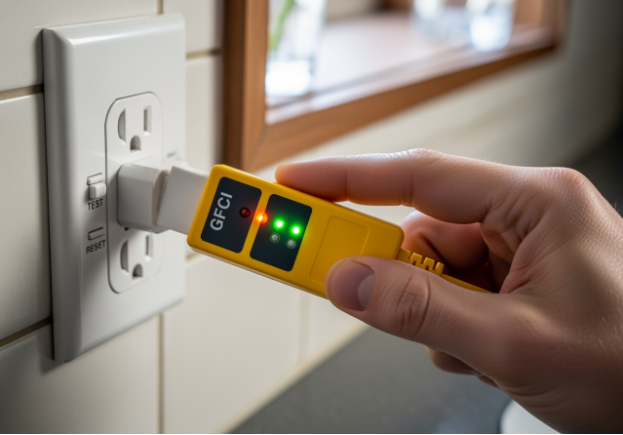
Testing GFCI and AFCI Outlets Monthly: Ground Fault Circuit Interrupter (GFCI) outlets, typically found in bathrooms, kitchens, and outdoor areas, protect against electrical shock by quickly disconnecting power if they detect an imbalance in current. Arc Fault Circuit Interrupter (AFCI) outlets, often in bedrooms and living areas, protect against electrical fires caused by arc faults. We recommend testing these outlets monthly by pressing the “Test” button (which should trip the circuit), then pressing the “Reset” button.
Inspecting Electrical Cords for Damage: Regularly check all electrical cords for fraying, cracks, exposed wires, or signs of overheating (discoloration or melted insulation). Damaged cords are a significant fire hazard and should be replaced immediately. Avoid running cords under carpets or rugs, as this can cause them to overheat or become damaged.
Avoiding Overloaded Circuits and Power Strips: Each electrical circuit in your home is designed to handle a specific amount of current. Overloading a circuit by plugging too many high-wattage appliances into one outlet or power strip can cause the circuit breaker to trip, or worse, lead to overheating and fire. Use power strips with built-in surge protection sparingly and ensure they are not daisy-chained.
Checking for Flickering Lights: Flickering lights, dimming, or buzzing sounds from outlets or switches can indicate loose wiring, overloaded circuits, or other electrical issues. These signs should not be ignored and warrant further investigation.
For any concerns beyond simple checks, professional electrical home systems maintenance is always the safest and most effective course of action.
Breaker Panel and Professional Inspections
Your home’s electrical service panel, or breaker panel, is the central distribution point for electricity. It’s crucial for safety and should be inspected periodically.
Visually Inspecting the Breaker Panel: While we advise against opening the main panel cover yourself due to shock hazards, you can visually inspect the exterior for signs of rust, water damage, or burning odors. These are red flags indicating a serious problem. Inside, a professional will look for signs of wear, loose connections, or improperly sized breakers.
Ensuring Circuits Are Labeled: A clearly labeled breaker panel is essential for safety and troubleshooting. If you need to quickly shut off power to a specific area, clear labels save valuable time. If your panel isn’t labeled, a licensed electrician can safely identify and label each circuit.
When to Upgrade a Panel: Older homes, especially those built before the 1970s, may have outdated electrical panels that cannot handle the demands of modern appliances. Signs you might need an upgrade include frequent breaker trips, flickering lights, or the need for more outlets. An upgrade ensures your home has sufficient, safe power capacity.
Importance of Professional Electrical Safety Inspections: Beyond routine checks, these inspections are vital. A qualified electrician can identify hidden hazards, such as faulty wiring, outdated systems (like knob-and-tube or aluminum wiring in older homes), or improperly installed components. These inspections significantly reduce the risk of fires and shocks and ensure your system complies with current safety codes. A well-maintained electrical system not only protects your family but also safeguards your property from potential catastrophic events.
Expanding Your Checklist: Key Maintenance for Other Critical Systems
While HVAC and electrical systems are paramount, a truly comprehensive approach to home systems maintenance extends to other critical areas as well. Holistic home care involves understanding how all your home’s components work together to ensure safety, prevent water damage, maintain structural integrity, and protect against fire hazards. Addressing these systems proactively helps avoid minor issues from escalating into major, costly problems.
Plumbing and Water Systems
Water damage is a leading cause of home insurance claims, making diligent plumbing maintenance incredibly important.
Checking for Leaks: Regularly inspect under sinks, around toilets, and along exposed pipes in your basement or utility areas for any signs of leaks, drips, or water stains. Even small leaks can lead to significant water damage, mold growth, and expensive repairs over time. Pay close attention to the connections of appliances like dishwashers and washing machines.
Cleaning Faucet Aerators: Faucet aerators can accumulate mineral deposits and debris, reducing water flow and efficiency. We recommend unscrewing and cleaning them every three to four months to maintain optimal water pressure and quality.
Flushing the Water Heater Annually: Sediment buildup at the bottom of your water heater tank reduces its efficiency and can shorten its lifespan. Flushing the tank annually helps remove these deposits, ensuring your water heater operates more efficiently and lasts longer.
Testing the Sump Pump: If your home has a basement or crawl space, a sump pump is crucial for preventing flooding. Test it periodically, especially before heavy rainfall or snowmelt, by pouring a bucket of water into the sump pit. Ensure it activates, pumps the water out, and shuts off correctly. A working sump pump prevents basement flooding.
Insulating Pipes for Winter: In colder climates, insulating exposed pipes in unheated areas (like basements, crawl spaces, or garages) is essential to prevent them from freezing and bursting, which can cause extensive water damage.
Roofing, Gutters, and Foundation
These elements form your home’s primary defense against the elements, and their integrity is vital to the structural health of your home.
Inspecting the Roof: Annually, or after severe weather, inspect your roof for missing, cracked, or curled shingles, damaged flashing around chimneys or vents, and any signs of leaks. Early detection of roof damage can prevent water intrusion into your attic and home, saving you from expensive repairs. We recommend a professional inspection every three years.
Cleaning Gutters and Downspouts: Clogged gutters are a major culprit behind water damage. Accumulated leaves, twigs, and debris prevent rainwater from draining away from your home. This can cause water to overflow and damage your roof, fascia, soffits, and siding. Furthermore, overflowing gutters can saturate the ground around your foundation, leading to basement leaks. Cleaning gutters each spring and fall is a critical task. Consider installing gutter guards to reduce debris buildup.
Ensuring Water Drains Away from the Foundation: Beyond gutters, ensure the ground around your home slopes away from the foundation. This proper grading prevents water from pooling against the foundation walls, which can lead to cracks, leaks, and structural issues. Downspouts should extend at least 3-6 feet away from the foundation.
Sealing Small Foundation Cracks: Small cracks in your foundation can grow over time and allow water to seep in. Inspect your foundation periodically for hairline cracks and seal them with appropriate sealant to prevent water from seeping into your basement or crawl space.
Essential Safety Detectors
Smoke alarms and carbon monoxide (CO) detectors are non-negotiable safety devices that save lives.
Testing Detectors Monthly: We recommend testing all smoke and CO detectors monthly by pressing the test button. This ensures the batteries and alarm mechanisms are functioning correctly.
Replacing Batteries Twice a Year: A good practice is to replace the batteries in all battery-powered smoke and CO detectors at least twice a year, perhaps when you change your clocks for daylight saving time.
Replacing Entire Detector Units: Smoke alarms typically have a lifespan of 10 years, while CO detectors usually need to be replaced every 5-7 years. Check the manufacturer’s date on the back of each unit and replace them according to these guidelines, even if they seem to be working. Early warning devices like these save lives.
Creating a Proactive Maintenance Schedule
The sheer volume of home maintenance tasks can feel overwhelming, but establishing a proactive schedule transforms daunting chores into manageable routines. The benefits of a regular home maintenance schedule are profound: it helps prevent unexpected system breakdowns, extends the lifespan of your home’s components, improves efficiency, and ultimately saves you money in the long run. To keep track, consider using a maintenance journal, a simple spreadsheet, or setting digital reminders on your phone or calendar.
A Four-Season Guide to Home Systems Maintenance
Breaking down tasks by season makes them less intimidating and ensures timely attention to weather-dependent needs.
Spring (March – May):
- HVAC: Schedule an AC tune-up, change air filters, and clean the outdoor AC unit.
- Roofing/Gutters: Inspect the roof for winter damage, clean gutters and downspouts.
- Exterior: Check exterior paint/siding, test sprinkler systems, trim trees/shrubs away from the house.
- Foundation: Inspect for cracks, ensure proper drainage away from the house.
- Appliances: Drain/flush water heater.
Summer (June – August):
- HVAC: Monitor AC performance, change air filters as needed.
- Exterior: Check/repair fences, decks, patios; paint/stain exterior wood.
- Plumbing: Check for leaks in the basement/crawl space.
- Safety: Check smoke/CO detectors, review emergency plans.
Fall (September – November):
- HVAC: Schedule a furnace tune-up and change the air filters.
- Chimney/Fireplace: Clean and inspect chimney/fireplace (if applicable).
- Exterior: Clean gutters and downspouts again, winterize outdoor faucets and sprinkler systems.
- Insulation: Check attic insulation and ventilation.
- Windows/Doors: Replace weatherstripping and caulk around doors and windows to prevent drafts.
Winter (December – February):
- HVAC: Monitor heating system, ensure vents are clear, and change air filters.
- Plumbing: Insulate exposed pipes, test sump pump.
- Exterior: Check the roof for ice dams, clear snow/ice from vents and outdoor units.
- Safety: Check smoke/CO detectors, ensure fire extinguishers are accessible.
- Interior: Check for drafts, organize storage areas.
Understanding the 1% Rule for Maintenance Budgeting
A practical approach to budgeting for home maintenance is the “1% Rule.” This guideline suggests setting aside approximately 1% of your home’s purchase price each year for maintenance and repairs. For example, if your home were purchased for $300,000, you would budget $3,000 annually for maintenance.
This budget covers both routine maintenance, such as seasonal HVAC tune-ups and gutter cleaning. It provides a buffer for unexpected issues, such as a sudden appliance breakdown or a minor roof repair. While it’s a general guideline and actual costs can vary based on your home’s age, condition, and location, adhering to the 1% rule helps ensure you have the financial resources to keep your home in top shape. It emphasizes that a modest investment in preventative inspections and regular care today can save you substantial headaches and expenses in the future.
Frequently Asked Questions about Home Maintenance
How often should I change my HVAC air filter?
We recommend changing standard 1-inch HVAC air filters every one to three months. However, this frequency can vary based on several factors: the type of filter you use (some pleated filters last longer), whether you have pets, if anyone in your household has allergies or respiratory issues, and the overall air quality in your area. Homes with pets or allergy sufferers may benefit from monthly changes. Regularly changing your air filter is crucial as it significantly improves indoor air quality, maintains optimal system efficiency, and helps reduce energy consumption.
What is the 1% rule for home maintenance?
The 1% rule is a widely accepted budgeting guideline for homeowners. It suggests allocating roughly 1% of your home’s current value or purchase price each year to maintenance and repairs. For instance, if your home is valued at $400,000, you would budget around $4,000 annually. This fund is intended to cover both routine maintenance tasks (such as HVAC tune-ups and gutter cleaning) and unexpected repairs. It’s a proactive financial strategy to ensure your home remains in good condition and avoid being caught off guard by costly issues.
How often should smoke and CO detectors be tested and replaced?
For optimal safety, we advise testing your smoke alarms and carbon monoxide (CO) detectors monthly by pressing the test button. This simple check confirms that the alarm mechanism is working. Furthermore, the batteries in all battery-powered detectors should be replaced at least once a year. A good time to do this is when daylight saving time begins or ends. Regarding replacement, smoke detectors typically have a lifespan of 10 years from the date of manufacture, while CO detectors usually need to be replaced every 5-7 years. Always check the specific manufacturer’s recommendations on the back of your units for precise replacement schedules.
Conclusion
Maintaining your home’s essential systems, particularly HVAC and electrical, is more than just a chore; it’s a fundamental aspect of responsible homeownership. By understanding the importance of these systems and committing to a proactive maintenance schedule, you ensure not only the safety and comfort of your family but also the long-term value of your investment. From the efficiency of your heating and cooling systems to the safety of your electrical circuits, every small maintenance step contributes to a healthier, more resilient home. Accept the peace of mind that comes with a well-maintained property, knowing you’ve taken the necessary steps to protect your most significant asset.