

Task 1: Secure Your Home’s Protective Envelope
For many of us, our home is our most significant investment. It provides comfort, security, and a place to make memories. However, this valuable asset requires regular maintenance.
Essential home maintenance might seem like a chore. However, it is key to protecting your property value. It also keeps your family safe. Most importantly, it helps you avoid costly repairs down the road.
Imagine the difference between a minor fix now and a major emergency later. Proactive steps save both money and stress. In fact, homeowners typically spend 1% to 4% of their home’s value each year on maintenance. This small investment prevents much larger expenses, like a burst pipe or a new furnace.
In this guide, we’ll break down three essential maintenance tasks. These tasks cover your home’s protective shell, its inner workings, and its surrounding property. By following these steps, you can ensure year-round comfort and protection for your home.
Your home’s exterior acts as its first line of defense against the elements. The roof, gutters, siding, windows, doors, and foundation all work together to keep your home safe, dry, and energy-efficient. Neglecting these components can lead to significant water damage, structural issues, and increased energy bills. Regular inspection and maintenance of this “protective envelope” are paramount to preventing costly repairs and preserving your home’s value.
Seasonal Gutter and Roof Care
The roof and gutters bear the brunt of weather changes, from heavy rains and snow to scorching sun. Proper maintenance of these areas is crucial for preventing water damage to your home’s foundation, walls, and interior.
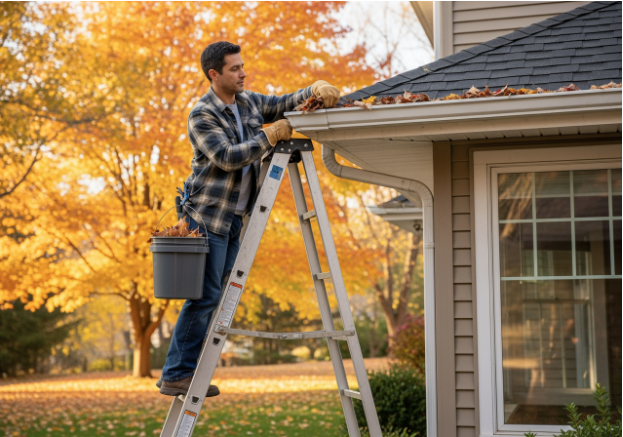
Fall Leaf Removal: As autumn leaves fall, they inevitably find their way into your gutters. Clogged gutters prevent rainwater from flowing away from your home, causing it to overflow and pool around the foundation. This can lead to basement leaks, foundation cracks, and even damage to your home’s siding and fascia. We recommend cleaning your gutters thoroughly in late fall after most leaves have fallen, and again in early spring. This simple task helps prevent home system breakdowns and saves money in the long run.
Spring Shingle Inspection: Winter weather can be harsh on your roof. In the spring, once the snow has melted, it’s a good time to inspect your roof for any damage. Look for missing, cracked, or curled shingles, especially after strong winds or heavy storms. Check for loose flashing around chimneys, skylights, and vents. These minor issues, if left unaddressed, can lead to leaks and significant water damage inside your attic and ceiling. While you can do a visual check from the ground with binoculars, a qualified roofer should inspect your roof every three years to catch issues you might miss.
Ice Dam Prevention: In colder climates, ice dams can form along the eaves of your roof, preventing meltwater from draining. This trapped water can back up under shingles and seep into your home, causing extensive damage to insulation, walls, and ceilings. Ensuring your gutters are clean before winter is a key preventative measure. Adequate attic insulation and ventilation also play a crucial role in preventing ice dams by maintaining a cold roof surface.
Downspout Function: Beyond just cleaning the gutters, ensure your downspouts are securely attached and direct water at least five to ten feet away from your home’s foundation. Extensions can be added if necessary. If downspouts are clogged, a leaf blower can sometimes clear them without needing to climb a ladder.
Year-Round Window and Door Upkeep
Windows and doors are not just entry points; they are critical components of your home’s energy efficiency and security. They are also common culprits for heat loss and drafts. Regular attention to their condition can significantly impact your comfort and utility bills.
Weatherstripping and Caulking: Over time, the weatherstripping around doors and windows can become thin, crack, or wear down due to constant use and exposure to the elements. Similarly, caulking around window and door frames can crack and become discontinuous after three to five years. These deteriorations create gaps that allow drafts to enter and conditioned air to escape. We recommend inspecting weatherstripping and caulking annually, especially in the fall, and replacing any worn or damaged sections as needed. This helps improve energy efficiency and prevents drafts. Ensuring proper seals is a key part of energy-efficient home maintenance.
Draft Detection: A simple way to detect drafts is to hold a lit candle or an incense stick near the edges of your closed windows and doors on a windy day. If the flame flickers or smoke wavers, you have a draft that needs sealing. Addressing these drafts can significantly reduce your heating and cooling costs. For more insights on how to combat drafts and improve insulation, explore our guide on How to Insulate Windows.
Cleaning Tracks and Weep Holes: For sliding windows and doors, tracks can accumulate dirt, dust, and debris, making them difficult to open and close. Regularly clean these tracks and apply a silicone-based lubricant for smooth operation. Many windows also have small “weep holes” at the bottom of the frame, designed to drain away any moisture that gets past the exterior seal. Ensure these are clear of obstructions to prevent water from accumulating inside the window frame, which can lead to Condensation on Windows or even water intrusion into your home.
Lock Maintenance: Regularly check that all window and door locks are functioning correctly. Lubricate them if they are stiff. This not only improves your home’s security but also ensures a tighter seal when closed. If you’re considering enhancing your home’s entry points, our resources, including the Exterior Door Installation Guide and Custom Entry Door Installation, can provide valuable information. For patio doors, specifically, maintaining their functionality is vital, and our Patio Door Installation guide offers further details.
Siding and Foundation Integrity
The siding protects your home’s structure from moisture and pests, while the foundation provides its essential support. Maintaining both is critical for your home’s long-term stability and appearance.
Visual Inspection: Conduct a walk-around inspection of your home’s exterior at least twice a year (spring and fall). Look for any signs of damage to your siding, such as cracks, loose panels, warping, or peeling paint. These can be entry points for moisture and pests. For wood siding, inspect yearly and repaint as needed to protect the material.
Crack Repair: Pay close attention to your foundation. Look for any new cracks, especially horizontal ones, which can indicate more serious structural issues. Small vertical hairline cracks are often normal and can be sealed with a concrete caulk. However, any significant or widening cracks should be inspected by a professional. Also, check for efflorescence (a white, powdery substance) on masonry walls, which indicates moisture penetration. It can usually be scrubbed off with a stiff brush and water.
Power Washing and Paint Touch-ups: Over time, dirt, grime, mold, and mildew can accumulate on your siding, diminishing your home’s curb appeal and potentially causing damage. A gentle power wash (or soft wash for certain materials) every few years can keep your siding clean. If you have painted siding, touch up any areas where paint is peeling or chipping to protect the underlying material.
Grading Around Foundation: Ensure the ground around your home slopes away from the foundation. Improper grading can direct rainwater towards your house, leading to water pooling, basement leaks, and foundation problems. If you notice water pooling, you may need to add soil to improve the grade.
Keeping Shrubs Trimmed: Trim trees and shrubs so they are not touching your home’s siding or roof. Foliage against the house can trap moisture, promote mold growth, and provide a bridge for pests to access your home.
Task 2: Maintain Your Home’s Core Systems
Beyond the exterior, your home relies on a complex network of internal systems to function efficiently and safely. This includes your heating, ventilation, and air conditioning (HVAC), plumbing, and electrical systems, as well as essential safety devices. Regular attention to these core components is vital for comfort, preventing breakdowns, and ensuring the well-being of your household.
The Basics of Essential Home HVAC Maintenance
Your HVAC system is responsible for maintaining a comfortable temperature and air quality throughout your home. It’s one of the hardest-working systems, and neglecting it can lead to inefficiency, costly repairs, and even health issues.
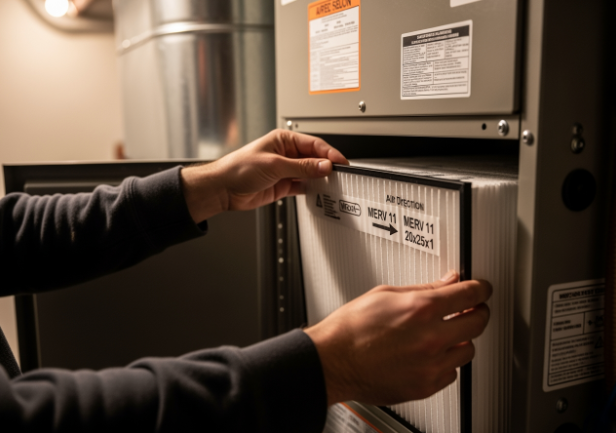
Monthly Filter Changes: The most straightforward yet most impactful HVAC maintenance task is regularly changing your air filters. Depending on your system, pets, and household allergies, this should be done monthly or at least once every three months. A clogged filter restricts airflow, causing your system to work harder, increase energy consumption, and compromise air quality. Cleaning furnace filters monthly helps improve air quality and reduce energy bills.
Professional Servicing: We highly recommend scheduling professional HVAC servicing annually, typically in the spring for your AC unit and in the fall for your furnace. A certified technician will clean coils, check refrigerant levels, inspect electrical components, lubricate moving parts, and ensure your system is running safely and efficiently. Annual HVAC servicing ensures efficiency and longevity, helping you avoid unexpected breakdowns when you need your system most. An inefficient HVAC system can increase energy bills by 20-30%. Annual servicing is a cornerstone of Essential home HVAC maintenance.
Cleaning Registers and Vents: Periodically vacuum your home’s supply and return registers and vents. Dust and debris can accumulate, impeding airflow and recirculating allergens. Ensure that no furniture or rugs block these vents, as this can strain your system and cause uneven heating or cooling.
Proactive Plumbing Checks
Plumbing issues, even minor ones, can quickly escalate into significant water damage and expensive repairs. Regular checks can help you catch problems early.
Inspecting for Leaks: Make it a habit to regularly check under sinks, around toilets, and near appliances like your dishwasher and washing machine for any signs of leaks or moisture. Look for water stains, drips, or a musty smell. Even a slow drip can waste a significant amount of water and lead to mold growth over time. Water damage accounts for 50% of home insurance claims in Canada, highlighting the importance of these checks.
Flushing Water Heater Sediment: Sediment can build up at the bottom of your water heater tank, reducing its efficiency and lifespan. We advise flushing your water heater annually to remove this sediment. This simple task involves turning off the water supply and power to the heater, connecting a hose to the drain valve, and letting the water run until it’s clear.
Winterizing Exterior Faucets: Before the first hard freeze of winter, it’s crucial to winterize your exterior hose bibs and sprinkler systems properly. Disconnect all hoses, shut off the water supply to outdoor faucets from inside your home, and open the outdoor taps to drain any remaining water. Insulate exposed pipes in unheated garages or crawl spaces to prevent freezing. Properly winterizing outdoor plumbing prevents costly pipe bursts caused by the expansion of freezing water.
Cleaning Drains: Slow drains are often a precursor to a complete clog. Address them promptly using a plunger or a natural drain cleaner (like baking soda and vinegar) rather than harsh chemical solutions that can damage pipes. For stubborn clogs, a plumber’s snake may be necessary; otherwise, consider calling a professional.
Testing Sump Pump: If your home has a basement or crawl space, test your sump pump before heavy rain seasons (spring and fall). Pour a bucket of water into the sump pit to ensure the pump activates, drains the water, and then shuts off properly. Check that its discharge line is clear of debris and directs water away from your foundation.
Electrical and Safety Device Audits
Electrical systems and safety devices are crucial for preventing fires and ensuring the well-being of your family. These items require consistent attention.
Testing Smoke and Carbon Monoxide Detectors: These life-saving devices need regular checks. We recommend testing your smoke alarms and carbon monoxide detectors monthly by pressing their test buttons. Replace their batteries at least once a year, and replace the entire unit every 10 years, as hard-wired and battery-powered detectors should be replaced every 10 years. Over 60% of house-fire fatalities occur in homes missing or with disabled alarms.
Checking GFCI Outlets: Ground-Fault Circuit Interrupter (GFCI) outlets are designed to protect you from electrical shock, particularly in areas near water, such as bathrooms, kitchens, and outdoor spaces. Test these outlets monthly by pressing the “test” button (which should trip the circuit) and then the “reset” button (to restore power).
Inspecting Electrical Cords: Periodically inspect all electrical cords for fraying, cracks, or other signs of damage. Replace any damaged cords immediately. Avoid overloading outlets, as this can create a fire hazard. Be mindful of space heaters, which cause an estimated 25,000 residential fires each year; ensure they are placed on a stable surface, away from flammable materials, and never left unattended.
Cleaning Dryer Vents: The leading cause of home clothes dryer fires is failing to clean the ductwork. We advise cleaning your dryer vent ductwork at least once a year, and the lint trap after every load. A clogged vent poses not only a fire risk but also reduces your dryer’s efficiency, resulting in longer drying times and higher energy consumption.
Task 3: Manage Your Property for Safety and Pest Prevention
The area surrounding your home plays a significant role in its overall health, safety, and curb appeal. Landscaping, pest control, and the condition of your decks, patios, and driveways all contribute to a well-maintained property. Proactive management of these outdoor elements can prevent issues from migrating indoors and ensure your home remains a safe and pleasant environment.
Landscaping for Home Protection
Beyond aesthetics, your landscaping serves practical purposes in protecting your home.
Trimming Trees and Shrubs: Keep tree branches and shrubs trimmed away from your home’s roof, siding, and foundation. Overhanging branches can rub against the roof, causing damage to shingles, or provide easy access for pests like squirrels and raccoons. Shrubs too close to the foundation can trap moisture against the siding, promoting rot and mold, and offer hiding places for pests. Regular landscaping maintenance contributes to the overall upkeep and safety of a home.
Clearing Flammable Debris: Regularly rake leaves, clear dead foliage, and remove any other flammable debris from around your home, especially near the foundation and any outdoor structures. In areas prone to wildfires, creating a defensible space around your home is crucial. Even in less fire-prone regions, excess debris can harbor pests and contribute to moisture issues.
Ensuring Proper Water Drainage: Just like with downspouts, ensure your landscape grading directs rainwater away from your home’s foundation. Puddles that linger near the house after rain can indicate poor drainage, which can lead to foundation problems and basement leaks. Consider installing French drains or re-grading if necessary. Maintaining permeable surfaces, such as gravel paths or garden beds, can also help absorb excess water.
Maintaining Walkways: Keep walkways, driveways, and patios clear of cracks, uneven surfaces, and debris. These can be tripping hazards. Repairing cracks in concrete or pavers not only improves safety but also prevents water from seeping underneath and causing further damage, especially during freeze-thaw cycles in winter.
Essential Home Maintenance for Pest Prevention
Pests are not just a nuisance; they can cause significant damage to your home and pose health risks. Many pest problems can be prevented with diligent home maintenance.
Sealing Cracks and Openings: Conduct a thorough inspection of your home’s exterior for any small cracks, gaps, or openings in the foundation, siding, around utility penetrations (such as pipes and wires), and window/door frames. Young mice, for instance, can worm their way through a 1/4-inch opening. Seal these entry points with caulk, steel wool, or mesh to prevent pests from accessing your property. This is a primary step in keeping insects and rodents out of your home.
Checking Window Screens: Inspect all window and door screens for tears or holes. Repair or replace damaged screens to keep insects out while still allowing fresh air circulation. For more information on screen installation and maintenance, refer to our guide on Installing a Window Screen.
Storing Firewood Properly: If you use a fireplace or wood-burning stove, store firewood outside, away from the house, and not directly on the ground. Stacking firewood against your home provides an ideal habitat for insects like termites, ants, and spiders, which can then easily migrate indoors. Lift firewood on a rack to keep it dry and deter pests.
Keeping Garbage Secure: Use garbage bins with tight-fitting lids and keep them a reasonable distance from your home. Regularly cleaning your bins can also deter pests attracted to food odors. Clearing debris is a simple step in proactive home pest management.
Upkeep for Decks, Patios, and Driveways
These outdoor living spaces and access routes improve your home’s functionality and value, but they also require maintenance to remain safe and attractive.
Inspecting for Rot or Damage: Annually inspect wooden decks and patios for signs of rot, loose boards, protruding nails, or wobbly railings. Pay close attention to areas that are consistently exposed to moisture. For concrete patios and driveways, look for cracks, crumbling edges, or uneven sections.
Sealing or Staining Wood: To protect wooden decks and fences from moisture damage, UV rays, and rot, clean and re-seal or stain them every few years, or as recommended by the product manufacturer. This extends their lifespan and keeps them looking good.
Repairing Cracks in Concrete: Small cracks in concrete driveways or patios can be repaired with concrete filler. Addressing these early prevents water from seeping in, freezing, and expanding the cracks into larger, more problematic areas. For significant damage or uneven sections, professional repair or replacement may be necessary.
Ensuring Railings are Secure: For safety, always ensure that deck and porch railings are sturdy and securely attached. Tighten any loose fasteners or reinforce wobbly sections. This is especially important if you have children or elderly individuals using these areas.
Frequently Asked Questions about Home Maintenance
How much should I budget for home maintenance?
Budgeting 1-4% of your home’s total value annually is a standard guideline. For example, if your home is valued at $300,000, you might budget $3,000 to $12,000 per year for home maintenance. This covers routine tasks and helps build a fund for larger replacements, such as a roof or HVAC system, preventing financial strain from unexpected failures. This proactive approach is significantly more cost-effective than waiting for emergencies to arise.
What are the basic tools every homeowner should have?
Having a well-stocked basic toolkit can empower you to handle many routine maintenance tasks and minor repairs on your own. Here’s a list of essential home maintenance tools:
- Hammer: For general repairs and hanging items.
- Screwdriver set: Phillips and flathead, various sizes.
- Pliers: Needle-nose, slip-joint, and locking pliers for gripping and cutting.
- Adjustable wrench: For tightening and loosening nuts and bolts.
- Tape measure: Essential for any project.
- Level: For ensuring things are straight.
- Utility knife: For cutting various materials.
- Caulking gun: For sealing gaps and cracks.
- Ladder: A sturdy step ladder or extension ladder for reaching high places safely.
- Safety glasses: Always protect your eyes.
- Work gloves: To protect your hands.
When should I do it myself versus hiring a professional?
Deciding when to tackle a task yourself and when to call in a pro often comes down to skill, safety, and complexity.
DIY is suitable for tasks like:
- Changing HVAC filters.
- Cleaning gutters (if you can do so safely).
- Testing smoke and CO detectors.
- Basic landscaping (mowing, raking).
- Sealing small cracks and gaps with caulk.
- Minor painting touch-ups.
- Unclogging simple drains.
Hire professionals for tasks requiring specialized skills or safety equipment, such as:
- Electrical work beyond changing a lightbulb or testing a GFCI outlet.
- Major plumbing repairs, especially involving gas lines or water heaters.
- Roof inspections and repairs (a qualified roofer should inspect your roof every three years).
- Annual furnace or AC servicing.
- Chimney cleaning and inspection (a CSIA-Certified chimney sweep should inspect your chimney and fireplace annually).
- Foundation repairs.
- Tree removal or significant tree trimming near power lines.
- Any task that involves working at heights you’re uncomfortable with or requires specialized tools.
Knowing your limits and when to call a professional can prevent injury, costly mistakes, and ensure the job is done correctly and safely.
Conclusion
Maintaining a home is an ongoing commitment, but it doesn’t have to be overwhelming. By focusing on these three essential areas—securing your home’s protective envelope, maintaining its core systems, and managing your property for safety and pest prevention—you can create a structured approach to year-round upkeep.
The benefits of proactive maintenance are clear: improved comfort, increased safety for your loved ones, and the protection of your significant investment. Regular maintenance helps you avoid costly emergency repairs, extends the lifespan of your home’s components, and preserves its value for years to come.
We encourage you to use this guide as a starting point. Create a personalized seasonal checklist tailored to your home’s unique needs and local climate. With a bit of planning and consistent effort, you can enjoy the peace of mind that comes with a well-maintained home.