

 #1. Define and Design Functional Zones
Our homes are more than just indoor shelters; they extend into our outdoor environments. Today, creating inviting outdoor living spaces is a top priority for many homeowners. These areas are no longer just for occasional use. They are valuable extensions of our homes, offering opportunities to relax, entertain, and even work.
Investing in these spaces significantly boosts curb appeal and can add considerable value to our properties. We understand the desire to make the most of every inch of our property, turning it into a functional and beautiful oasis. For those seeking to create truly durable outdoor living spaces, careful planning and high-quality materials are essential.
In this guide, we’ll explore three powerful ways to transform your outdoor areas, turning them into cherished parts of your home that improve your lifestyle and boost curb appeal.
Just as we delineate different rooms within our homes for specific purposes, the most effective outdoor living spaces are thoughtfully divided into functional zones. This approach, often referred to as creating “outdoor rooms,” allows us to maximize the utility and enjoyment of our patios, decks, and yards. Instead of a sprawling, undefined expanse, we can craft distinct areas for dining, lounging, entertaining, or quiet contemplation. This strategic space planning ensures that every part of your outdoor environment serves a purpose, making it feel more intentional and inviting.
Creating “Outdoor Rooms” for Different Activities
The concept of “outdoor rooms” is a cornerstone of modern landscape design, changing a simple backyard into a multi-faceted extension of your home. To achieve this, we can employ various techniques to zone off areas for specific activities. For instance, a dining area might be anchored by a large outdoor table and chairs, perhaps under a pergola that provides shade and a sense of enclosure. A lounging space, on the other hand, would feature comfortable deep-seated sofas, armchairs, and a coffee table, encouraging relaxation and conversation. Entertainment zones could incorporate elements such as an outdoor bar or a dedicated gaming space.
To define these zones without permanent walls, we can strategically use outdoor rugs to ground seating arrangements, arrange planters to create soft boundaries, and group furniture to imply distinct areas. For a truly cozy outdoor lounge, consider these essential elements:
- Deep-seated sofa and armchairs: Prioritize comfort with plush cushions and durable, weather-resistant upholstery.
- Coffee table: A central surface for drinks, snacks, and decor.
- Ambient lighting: String lights, lanterns, or floor lamps to create a warm, inviting glow after dusk.
- Soft pillows and throws: Add layers of texture and color, making the space feel more like an indoor living room.
- Outdoor-friendly side tables: Convenient spots for personal items.
- Area rug: Defines the space and adds warmth to the floor underfoot.
By carefully selecting and arranging these elements, we can craft outdoor rooms that are both beautiful and highly functional, inviting our guests and us to enjoy the outdoors in comfort and style.
Optimizing Patios, Decks, and Yards
Regardless of size, every outdoor space holds potential for optimization. For smaller patios or balconies, creativity is key. Vertical gardens are an excellent solution, utilizing wall space for greenery and freeing up precious floor area. Container gardening allows for flexibility and can add vibrant pops of color and texture without requiring extensive ground space.
Decks can be transformed with multi-level designs, creating distinct areas for dining and lounging, adding visual interest and depth. Sunken patios offer an intimate, sheltered feel, perfect for a fire pit or a cozy seating arrangement. Pergolas are invaluable for providing shade and defining outdoor rooms, while gazebos can serve as charming focal points, offering shelter and a magical atmosphere for gatherings. For improved privacy, especially in urban settings, privacy screens, trellises with climbing plants, or strategically placed tall planters can create secluded retreats. These solutions not only maximize the use of limited space but also enhance the aesthetic and functionality of any outdoor area.
Integrating Hardscaping and Softscaping
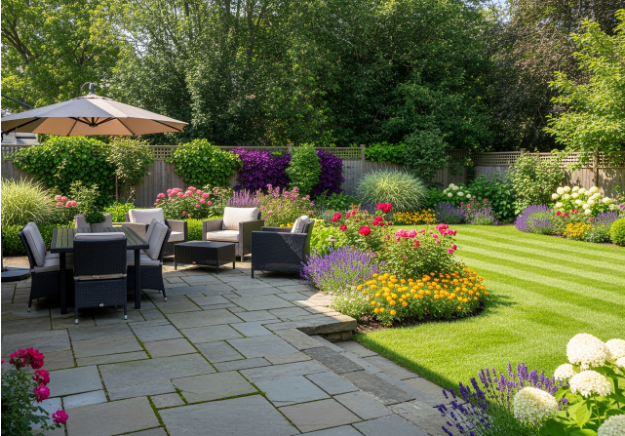
The harmony between hardscaping (non-living elements, such as patios, walkways, and walls) and softscaping (living elements, including plants, lawns, and garden beds) is crucial for creating a balanced and inviting outdoor living space. Hardscaping provides the structure and functionality, offering durable surfaces for movement and gathering. Stone walkways, paver patios, and retaining walls define pathways and activity zones, creating a sense of order and permanence.
Softscaping, conversely, brings life, color, and texture to the landscape. Lush garden beds, vibrant flowering plants, and well-maintained lawns soften the hard edges of built structures, creating a natural and serene environment. When considering your lawn, proper care is essential for its health and appearance. For Expert lawn care for outdoor living, resources like Cory’s Lawn Service can provide valuable guidance on maintaining a vibrant green space.
For those in drier climates or seeking a more sustainable approach, xeriscaping offers significant benefits. By using drought-tolerant plants and efficient irrigation methods, xeriscaping can reduce water usage by up to 80% while still creating beautiful, low-maintenance landscapes. This integration of both hard and soft elements, custom to your climate and lifestyle, ensures a cohesive and sustainable outdoor design that boosts curb appeal and provides lasting enjoyment.
#2. Incorporate Key Features for Ambiance and Comfort
Once the functional zones are defined, the next step is to imbue these spaces with ambiance and comfort, encouraging year-round use. This involves strategically incorporating elements that appeal to our senses and extend the usability of our outdoor areas beyond fair weather. Fire features provide warmth and a natural gathering point, while water features introduce soothing sounds and visual tranquility. Thoughtful lighting design transforms the space after sunset, creating an inviting glow that improves both safety and mood. These key features are not just decorative; they are integral to crafting an outdoor environment that feels as welcoming and comfortable as any indoor room.
The Allure of Fire and Water Features
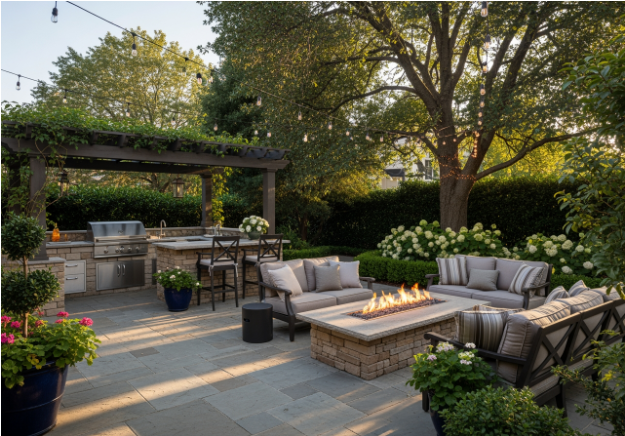
Few elements add as much ambiance and appeal to an outdoor living space as fire and water features. A flickering flame from a fire pit or the majestic presence of an outdoor fireplace instantly creates a focal point, drawing people together for warmth, conversation, and marshmallow roasting. Fire features extend the usability of your outdoor area into cooler evenings and seasons, allowing for cozy gatherings under the stars. Whether you opt for a simple DIY fire pit, such as converting an old washing machine drum or stacking stones, or invest in a professionally installed stone or brick outdoor fireplace, the effect is undeniably captivating.
Water features, on the other hand, introduce a sense of tranquility and a soothing soundscape. The gentle trickle of a fountain, the serene surface of a pond, or the rhythmic flow of a waterfall can mask urban noise, create a calming atmosphere, and attract local wildlife. These elements serve as visual anchors, adding movement and reflection to your design. Major updates, such as jacuzzis, regular or spool pools, or outdoor kitchens, for example, may have a 200% ROI in warm climate areas, highlighting the significant value these features add. The combination of fire and water creates a dynamic and sensory-rich outdoor environment that truly lifts the living experience.
The Power of Strategic Outdoor Lighting
Lighting is often underestimated, but it plays a pivotal role in transforming an outdoor living space, especially as the day turns to night. Strategic outdoor lighting enhances safety, extends usability, and significantly improves ambiance. We can use various types of lighting to achieve different effects:
- Task lighting: Illuminates specific areas for activities, such as a grill or an outdoor dining table.
- Ambient lighting: Provides a general, soft glow that makes the entire space feel welcoming. String lights, lanterns, and recessed deck lights are excellent for this.
- Accent lighting: Highlights architectural features, plants, or water features, adding depth and visual interest. Uplighting trees or path lighting along walkways creates a dramatic and sophisticated look.
Solar-powered options offer an eco-friendly and easy-to-install solution, while LED bulbs provide energy efficiency and a longer lifespan. Investing in landscape lighting can help increase your home’s value, as outdoor lighting is a feature that many buyers desire. By carefully planning your lighting scheme, you can create a magical atmosphere that makes your outdoor living space enjoyable and safe well into the night.
Choosing Durable Materials for Your Outdoor Living Spaces
The longevity and enjoyment of your outdoor living space depend heavily on the materials you choose. Given exposure to varying weather conditions—sun, rain, wind, and temperature fluctuations—selecting durable, weather-resistant, and low-maintenance materials is paramount.
For decking, composite materials have become incredibly popular. Unlike natural wood, composite decking doesn’t require staining, sealing, or sanding, offering minimal upkeep and a long lifespan. While the upfront cost may be higher, the long-term savings in maintenance often make it a worthwhile investment. For outdoor kitchens and dining areas, stainless steel appliances are a must for their resistance to rust and corrosion, especially in humid or coastal environments. Stone countertops, such as granite or quartz, are not only beautiful but also highly resilient to heat, scratches, and stains.
When it comes to furniture, all-weather wicker, aluminum, and wrought iron are excellent choices for outdoor use. All-weather wicker offers the classic look of natural wicker, but with enhanced durability and resistance to fading and moisture. Aluminum is lightweight and rust-proof, while wrought iron offers robust stability, making it ideal for windy locations. For those seeking high-quality outdoor kitchen and living solutions that stand the test of time, focusing on these types of materials is essential. By prioritizing durability, we ensure that our outdoor living spaces remain beautiful and functional for years to come, minimizing the need for constant repairs or replacements.
#3. Improve the Connection Between Indoor and Outdoor Living
The most successful outdoor living spaces don’t exist in isolation; they seamlessly integrate with the interior of the home, blurring the lines between inside and out. This creates a cohesive design aesthetic and extends our living area, making the entire property feel larger and more fluid. By enhancing this connection, we improve the overall functionality and appeal of our homes, fostering a lifestyle that balances both indoor comfort and outdoor freedom.
Creating a Seamless Transition
Achieving a seamless transition between indoor and outdoor spaces is about more than just opening a door; it’s about creating a visual and functional flow that makes the two areas feel like one continuous environment. One effective strategy is maintaining consistent color palettes and design styles. If your living room features a modern minimalist aesthetic with muted tones, extend that same sensibility to your adjacent patio with similar furniture styles and complementary colors.
Matching flooring materials can also work wonders. For instance, if you have large-format tiles inside, consider continuing a similar or identical tile outside, creating an uninterrupted visual pathway. Large glass sliding doors, neat French doors, or expansive bi-fold doors are architectural elements that physically and visually connect the spaces, allowing abundant natural light to flood the interior and offering expansive views of the outdoors. By thoughtfully extending your interior design style outwards, you create a harmonious environment that invites effortless movement between your indoor sanctuary and your outdoor oasis.
The Rise of the “Social Front Yard”
While backyards have traditionally been the primary focus for outdoor living, there’s a growing trend towards changing front yards into “social front yards.” This innovative approach not only boosts curb appeal but also fosters a sense of community and neighborhood interaction. Instead of just a lawn and a walkway, imagine a welcoming front space with comfortable benches, Adirondack chairs, or even a small bistro set where you can enjoy your morning coffee and greet passersby.
Edible gardens, featuring herbs, vegetables, or fruit trees, can add both beauty and functionality, inviting conversation and fostering a sense of community through sharing with neighbors. Creating welcoming entryways with attractive planters, decorative lighting, and a well-maintained path sets a positive first impression. This shift encourages homeowners to engage with their surroundings, turning the front of their home into an active living space rather than just a decorative facade. It’s a fantastic way to enhance curb appeal while fostering stronger community ties.
Upgrading Key Access Points
The points where our indoor and outdoor worlds meet are crucial for both functionality and aesthetic appeal. Upgrading these key access points can significantly improve the flow and overall experience of your outdoor living spaces. Beyond just doors, consider integrating your garage. For instance, if your garage opens directly into your backyard or serves as a workshop, enhancing its connection to the outdoors can be beneficial.
Functional entryways, such as mudrooms leading to the garden, can provide convenient storage for outdoor gear, keeping indoor spaces tidy. Screened doors allow fresh air to circulate while keeping pests out, making them ideal for kitchens or dining areas that open to a patio. For a unique and stylish upgrade, especially for garages that double as entertainment spaces or pool houses, glass-paneled garage doors can offer an incredible visual connection, allowing natural light and views to flow freely. For specialized Garage door services that enhance outdoor living, consulting experts can ensure these upgrades are both beautiful and functional, providing a seamless transition between your home and its exterior extensions. These thoughtful improvements ensure that every entry and exit point contributes to a cohesive and enjoyable outdoor living experience.
Frequently Asked Questions about Outdoor Living Spaces
As we explore the possibilities of enhancing our outdoor environments, several common questions often arise regarding investment, budgeting, and practical solutions. Here, we address some of these concerns to help you make informed decisions about creating your ideal outdoor living space.
How much value does an outdoor living space add to a home?
Investing in outdoor living spaces can significantly boost your home’s value and marketability. The return on investment (ROI) varies depending on the type and scale of the upgrade. Outdoor upgrades, especially those involving fixed features such as fireplaces, fences, water fixtures, or pergolas and gazebos, can add up to 80% in return. This means that for every dollar you spend on these improvements, you could see an 80-cent increase in your home’s value.
For significant updates, such as jacuzzis, regular or spool pools, or elaborate outdoor kitchens, the ROI can be even more impressive, potentially reaching 200% in warm climate areas. Beyond the monetary return, a well-designed outdoor living space increases buyer appeal, making your home more attractive and desirable in the market. It effectively adds usable square footage to your property, a feature highly sought after by prospective buyers.
How can I create an outdoor living space on a tight budget?
Creating a beautiful and functional outdoor living space doesn’t necessarily require a massive budget. Many impactful changes can be achieved with thoughtful planning and creative solutions.
- DIY Projects: Embrace Your Inner DIY Enthusiast. Building your own fire pit from concrete blocks, crafting upcycled furniture from pallets or old crates, or creating decorative planters from repurposed items can save on high costs.
- String Lights for Ambiance: Simple string lights hung across a patio or deck can instantly create a magical and inviting atmosphere with minimal investment.
- Container Gardening: Instead of extensive landscaping, use colorful pots and planters to add greenery and flowers, which can be easily rearranged and moved.
- Start Small: Focus on defining one small, cozy area first, like a reading nook with a comfortable chair and a small table, and expand as your budget allows.
- Multi-functional Furniture: Opt for pieces that serve multiple purposes, such as storage benches or ottomans that double as extra seating.
- Paint and Textiles: A fresh coat of outdoor paint on an old fence or shed, combined with new outdoor cushions and throws, can dramatically refresh a space.
The goal is to create a space you love, and often, the most charming outdoor areas are those that reflect personal touches and thoughtful choices over extravagant spending.
What are the best ways to create privacy in an outdoor area?
Privacy is a common desire for outdoor living spaces, allowing us to relax and entertain without feeling exposed. Fortunately, there are many creative and effective ways to achieve seclusion:
- Privacy Screens and Fences: These are the most straightforward solutions. Modern privacy screens are available in various materials, including wood, metal, and composite, offering both aesthetic appeal and effective blockage.
- Hedges and Strategic Tree Planting: Living barriers, such as dense hedges (e.g., privet, arborvitae) or strategically planted trees (e.g., columnar evergreens), offer natural, long-term privacy that also enhances the beauty of your landscape.
- Pergolas with Curtains or Retractable Shades: A pergola provides a framework over a patio or deck, offering shade and protection. Adding outdoor curtains or retractable shades to its sides offers flexible privacy and shade when needed.
- Tall Planters: Large, tall planters filled with dense foliage or ornamental grasses can create movable privacy screens, particularly useful for smaller spaces or balconies.
- Outdoor Drapes: Similar to curtains on a pergola, outdoor drapes can be hung from existing structures or tension rods to create a soft, neat barrier.
- Vertical Gardens: Beyond aesthetics, a lush vertical garden wall can also serve as an attractive privacy screen.
Combining a few of these methods can create layers of privacy, ensuring your outdoor living space feels like a secluded retreat.
Conclusion
Changing your outdoor space into a cherished extension of your home is an investment that pays dividends in both lifestyle and property value. By focusing on three key strategies—defining and designing functional zones, incorporating key features for ambiance and comfort, and improving the connection between indoor and outdoor living—we can create environments that are not only beautiful but also highly functional and deeply personal.
From the strategic placement of outdoor “rooms” to the soothing presence of fire and water, and the seamless flow between your interior and exterior, each element contributes to a cohesive and inviting atmosphere. Your outdoor area is a valuable part of your home, offering endless possibilities for relaxation, entertainment, and connection with the natural world. Accept the journey of creation, and soon you’ll be enjoying a personal oasis that improves your lifestyle and boosts your home’s curb appeal for years to come.